9 Materials For Your New Roof
Choosing the right material for your new roof can significantly impact the overall performance, longevity, and aesthetic of your home. In this article, we will explore the various options available, helping you make an informed decision that aligns with your needs and preferences. Your roof is not just a protective barrier but also an element that adds character and value to your property. Our guide covers a wide array of materials, each with its own set of advantages and considerations. Dive in to discover how you can achieve a roof that not only meets your functional requirements but also enhances the visual appeal of your home.
1. Asphalt shingles
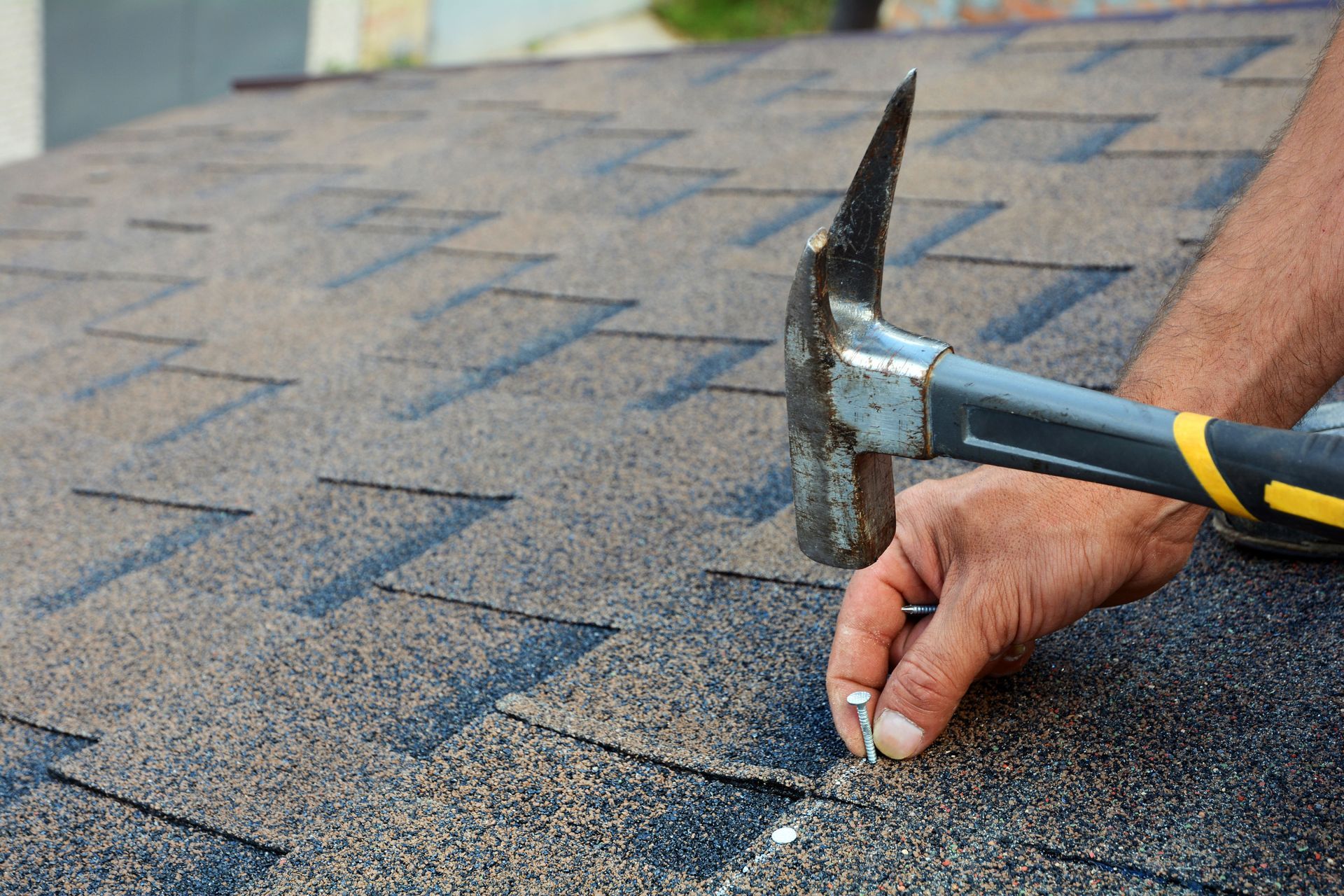
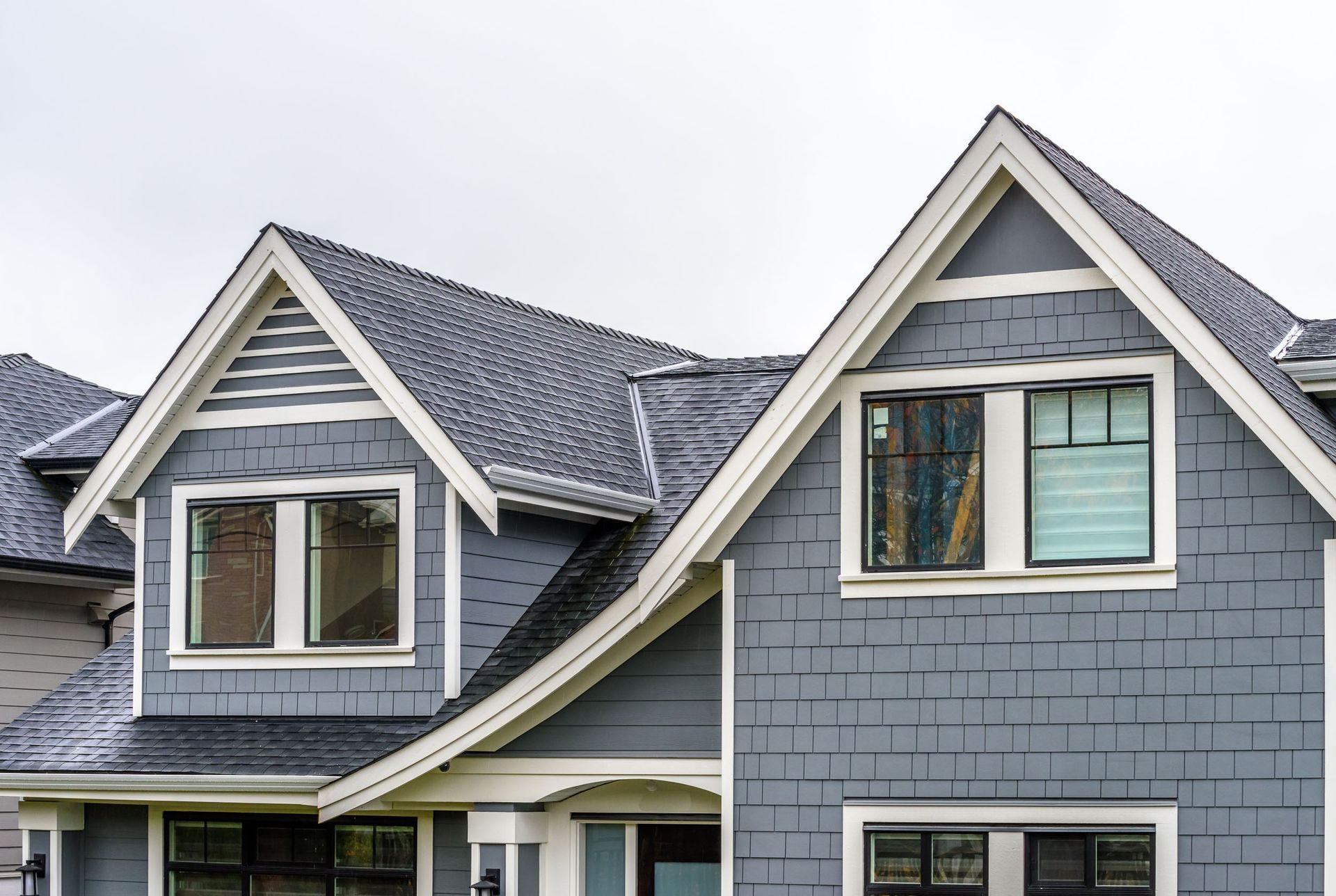
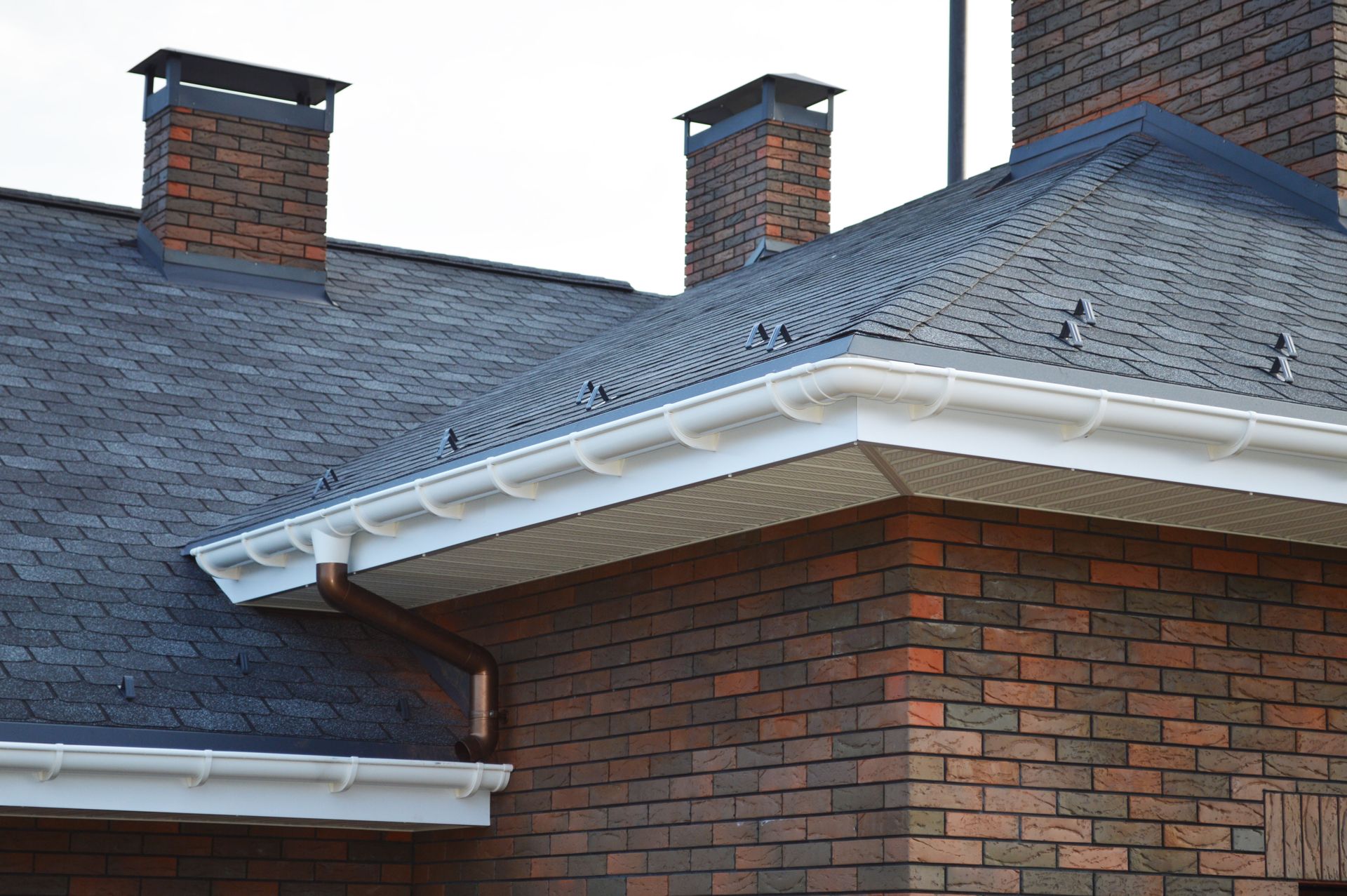
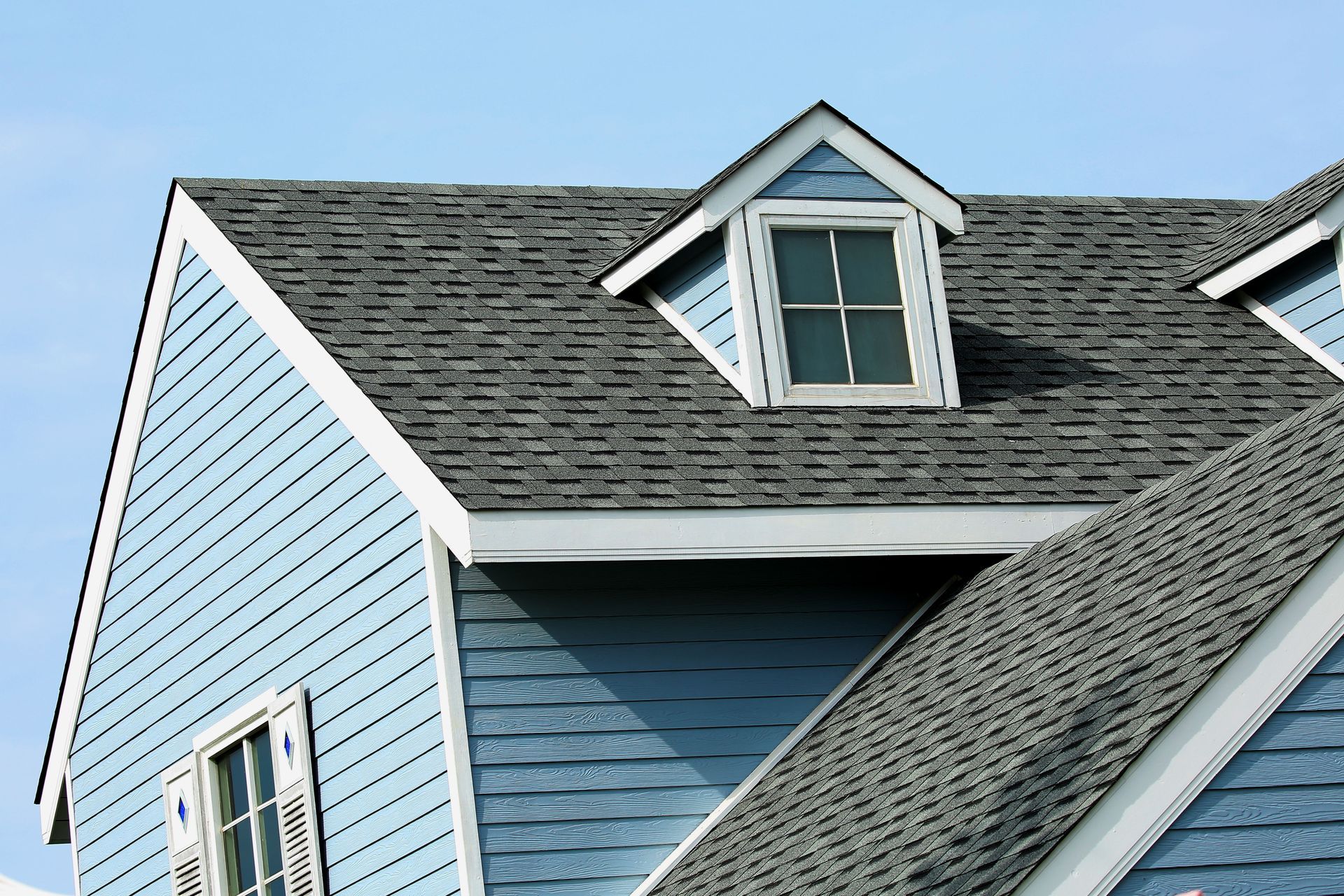
Asphalt shingles are a popular roofing choice due to their affordability and diverse range of styles. Made from a base of either organic materials or fiberglass, these shingles are coated with asphalt and topped with a layer of mineral granules for added protection. There are two main types of asphalt shingles: 3-tab and architectural, each offering different design and performance characteristics. While 3-tab shingles are lighter and less expensive, architectural shingles boast a more textured appearance and better durability. Understanding these variations helps you select the right asphalt shingle for your specific roofing needs.
2. Benefits of asphalt shingles
Many homeowners choose asphalt shingles because they complement a wide range of architectural styles. Their versatility allows homeowners to achieve either a traditional or modern appearance without requiring extensive structural modifications. A professional roofing service can also recommend upgraded impact-resistant shingles for regions prone to storms or hail damage.
The benefits of asphalt shingles are numerous, and they are favored for their cost-effectiveness and ease of installation. They come in a wide variety of colors and styles, providing ample design choices for homeowners looking to match their roof with their overall aesthetic. Asphalt shingles are relatively lightweight, which means they can be installed on most roofs without requiring additional structural support. Additionally, their installation process is straightforward, often resulting in lower labor costs. The ability to customize your roof's look without breaking the bank makes asphalt shingles a compelling option. Many homeowners also rely on a roofing service to compare material warranties and long-term maintenance expectations before making a final decision.
3. Asphalt shingle maintenance and drawbacks
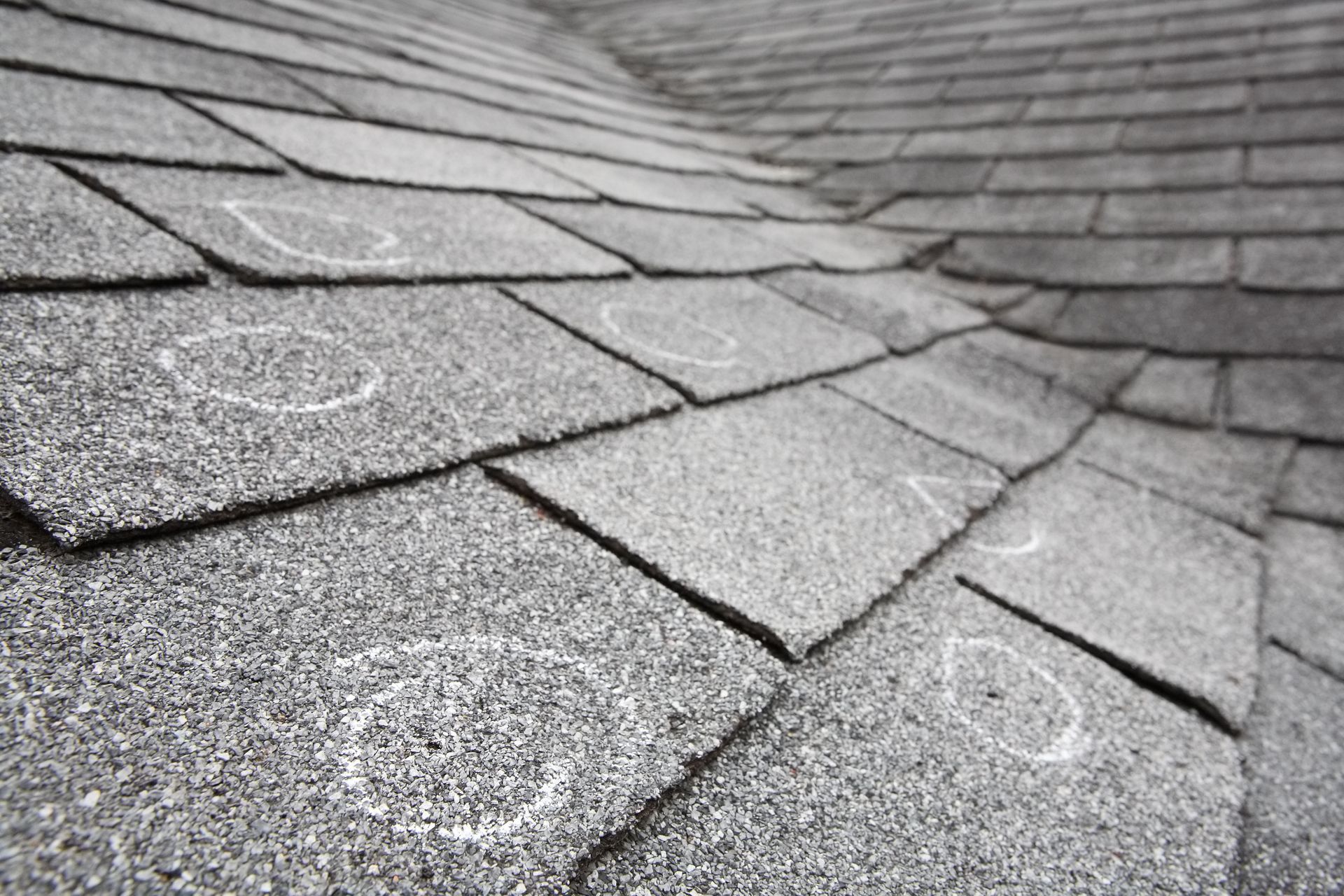
Despite their appealing qualities, asphalt shingles have some drawbacks that are important to consider. One significant disadvantage is their relatively shorter lifespan when compared to other roofing materials like metal or slate. Additionally, asphalt shingles may not fare well under extreme weather conditions, such as high winds or heavy hail. Over time, they can become susceptible to algae growth, potentially leading to aesthetic concerns or roof damage if left unaddressed. Extreme temperature changes may also accelerate wear, causing shingles to crack or curl over time.
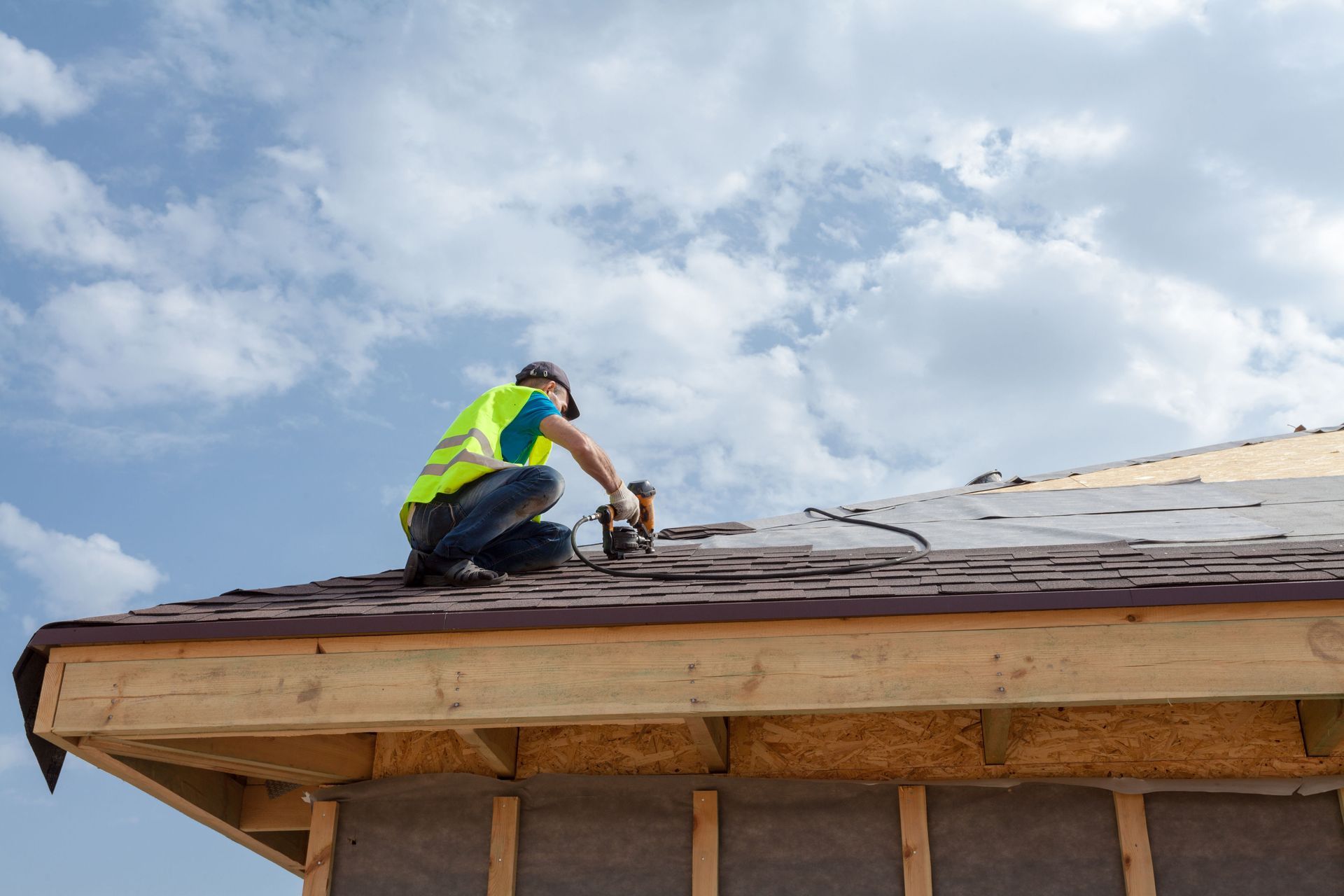
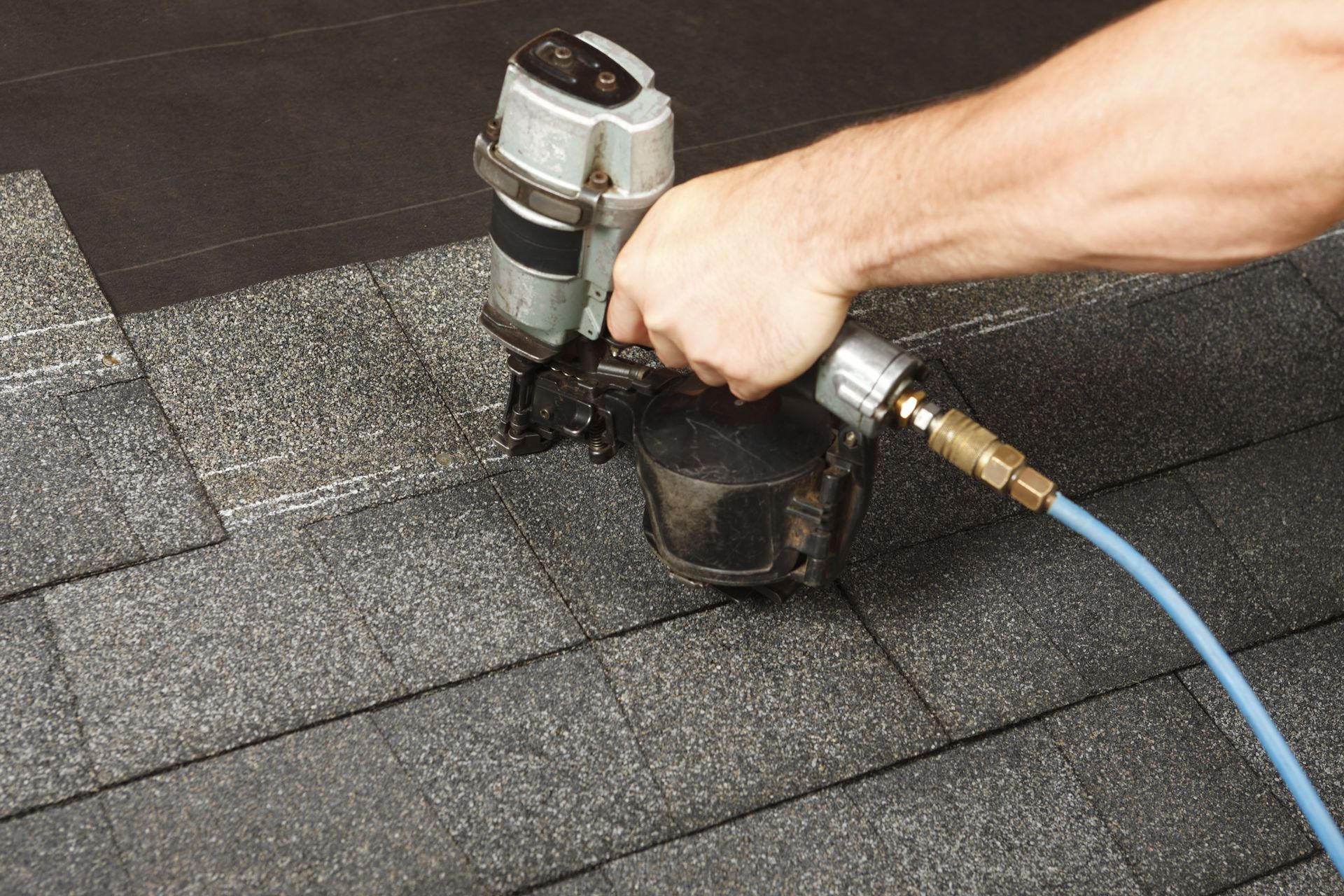
Proper installation is crucial for maximizing the performance of asphalt shingles. One important factor is the roof’s pitch, as too low of a slope can lead to water infiltration and damage. Climate considerations are also critical; in regions with severe weather, additional underlayments or more robust shingles might be necessary to ensure durability. Proper ventilation can extend asphalt shingles' lifespan by reducing attic heat and moisture buildup. Attending to these installation details minimizes risks and extends the roof's service life.
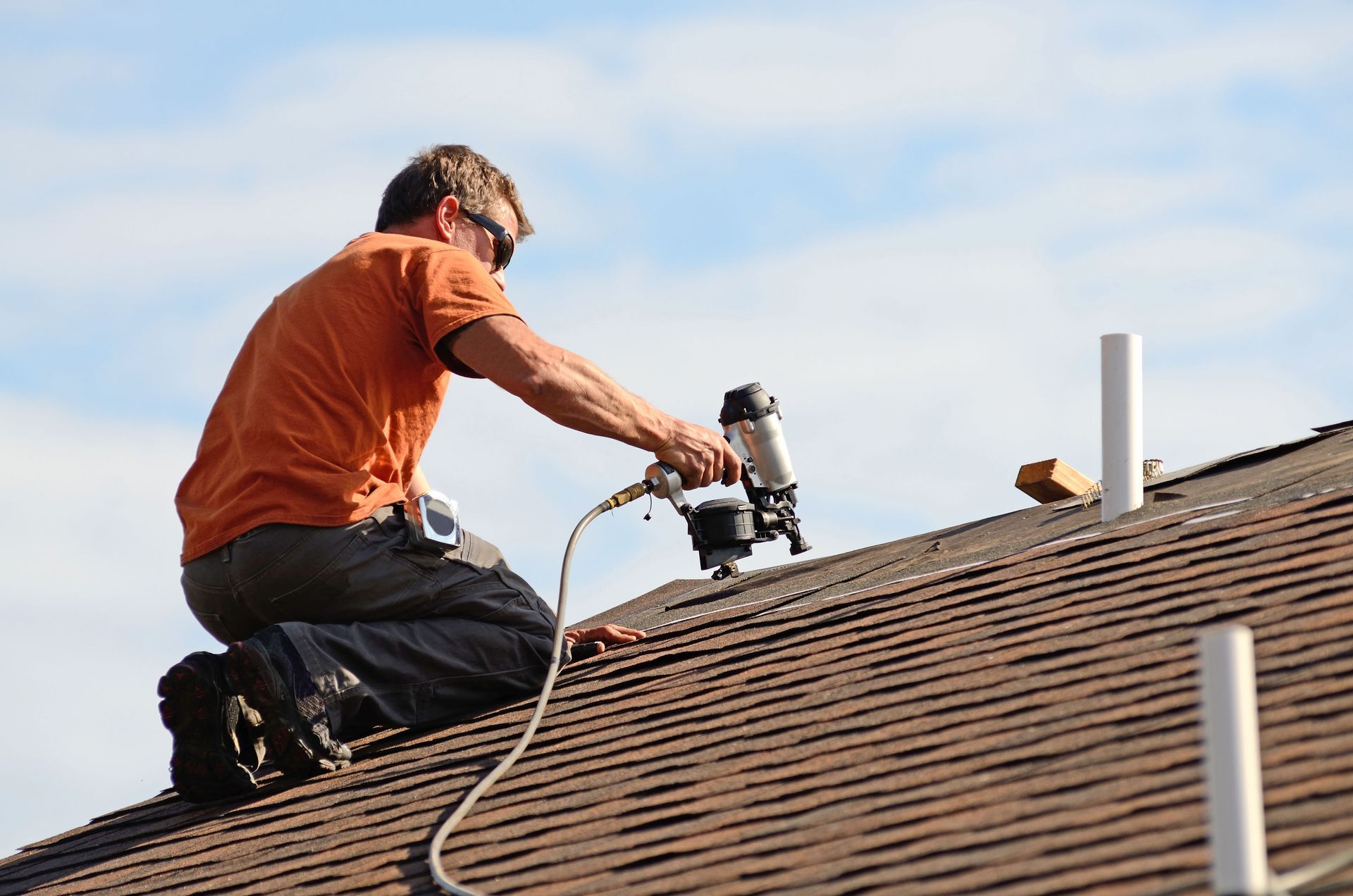
Regular maintenance is vital to enhancing the longevity and performance of asphalt shingles. Setting up a schedule for inspections, particularly after significant weather events, can help in promptly addressing signs of wear or damage. Cleaning your roof to remove debris and applying anti-algae treatments can prevent the growth of unsightly black streaks. Replacing missing or damaged shingles as they occur can avert more extensive roof repairs down the line. A dependable roofing service may also identify hidden moisture problems before they spread beneath the roof deck.
4. Metal roofing options
There are several types of metal roofing to consider, each with unique properties that suit different styles and environments. Steel is commonly used due to its strength and affordability, while aluminum offers excellent resistance to corrosion, making it ideal for coastal areas. Copper and zinc are premium options that add a luxurious appeal, albeit at a higher cost. Metal roofing is known for its flexibility in colors and finishes, allowing for a customized aesthetic. According to This Old House, metal roofing is the second-most popular material for both residential and commercial roofs, thanks to these diverse options.
Standing seam metal roofs are especially popular for modern homes because of their sleek lines and weather resistance. Corrugated styles remain common for agricultural and rustic applications due to their durability and affordability. Metal roofing’s longevity and durability are among its most celebrated features, often outliving other materials with minimal maintenance. Its excellent energy efficiency helps regulate home temperatures, potentially lowering utility bills. A roofing service can also help homeowners determine which metal panel style best fits their climate and architectural preferences.
5. Advantages of metal roofing
Additionally, metal roofs are environmentally friendly, often containing a high percentage of recycled materials. Their durability also means less frequent repairs and replacements, contributing to overall sustainability. Metal roofing is also resistant to fire, mildew, and many forms of insect damage. These qualities make it particularly appealing for homeowners seeking long-term protection with fewer maintenance demands.
Many modern metal roofing systems are designed to reflect solar heat, helping homeowners maintain more comfortable indoor temperatures during hot seasons. This added efficiency can contribute to lower cooling costs throughout the year.
6. Metal roofing installation and upkeep
Despite its benefits, metal roofing has some drawbacks to consider. Initial costs can be higher than alternatives like asphalt, which might deter cost-conscious homeowners. Noise levels during rain or hail can be higher, although this can be mitigated with proper installation and insulation. Metal roofs can be prone to denting when subjected to heavy impacts, such as from large hailstones. However, choosing thicker materials can help alleviate this concern.
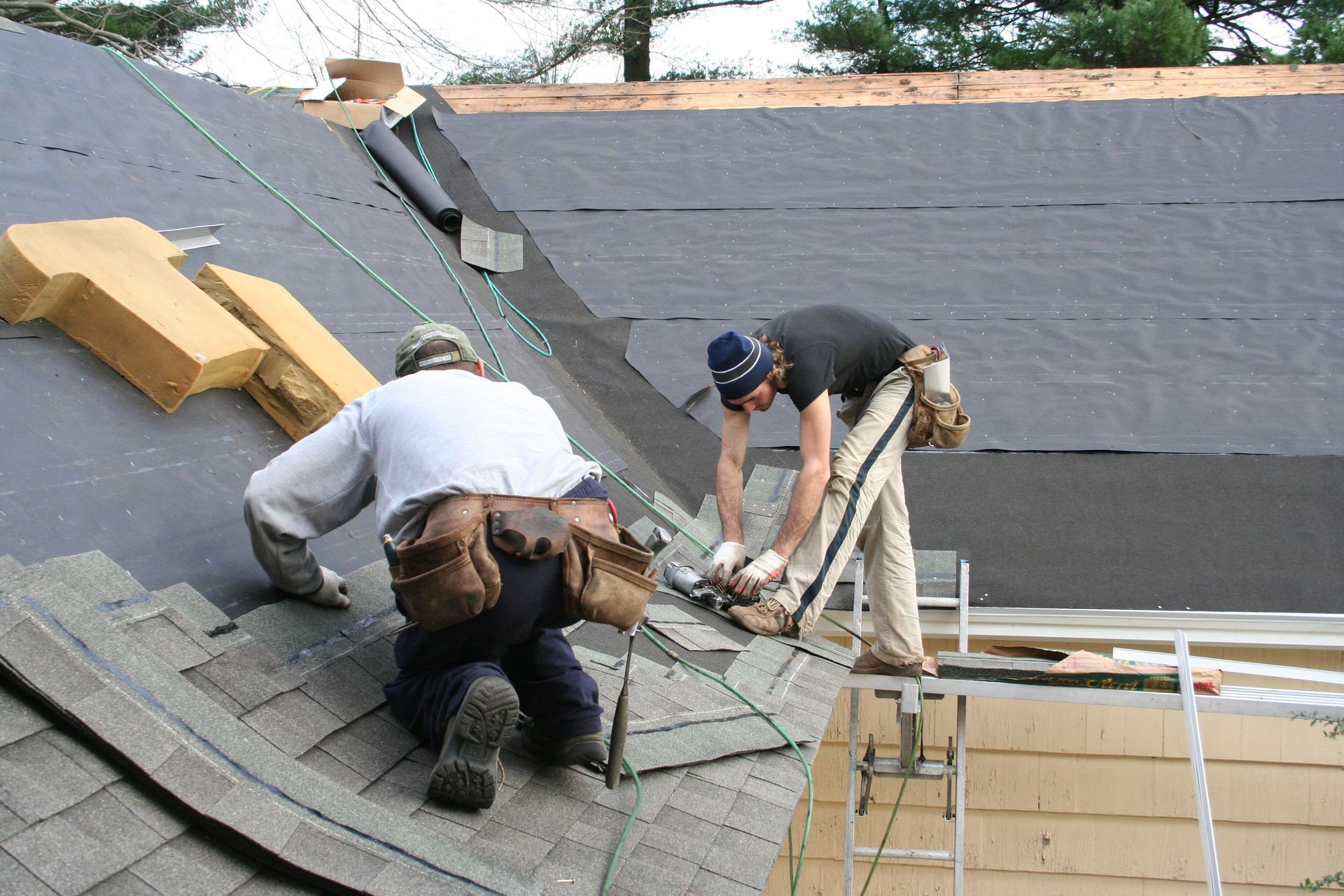
Effective installation is crucial to realizing the full benefits of metal roofing. Selecting the right underlayment provides additional insulation and moisture protection. Correct fastener techniques are essential to securing the metal panels against harsh weather conditions. Paying attention to expansion and contraction properties during installation prevents future issues such as warping or fastener failure. Proper installation results in a metal roof that performs optimally and lasts extensively.
Maintaining a metal roof is relatively straightforward, primarily focusing on occasional cleaning and inspection. Removing debris such as leaves and branches prevents moisture accumulation that could lead to rust or corrosion. Addressing potential rust spots with appropriate treatments can help preserve the metal’s integrity. Regularly checking for loose fasteners or damaged seals is an important part of the maintenance routine. Homeowners who schedule periodic inspections through a roofing service often catch minor problems before they compromise larger roof sections.
7. Clay and concrete tile roofing
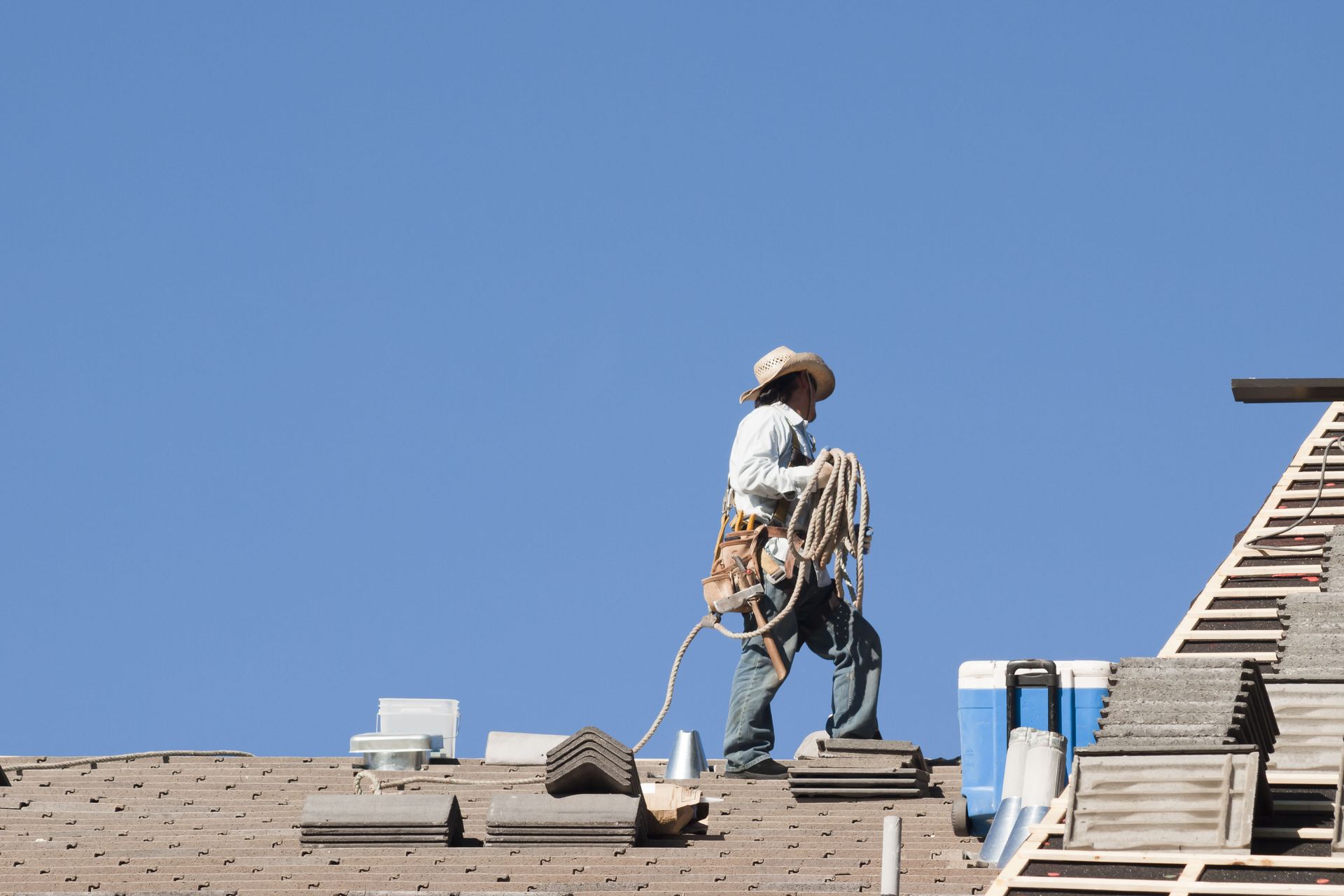
Clay and concrete tiles contribute to an aesthetic that blends traditional charm with robust functionality. Clay tiles are crafted from natural materials and offer a distinctive Mediterranean look, while concrete tiles can be molded into various shapes and colors. In terms of weight, both types are heavier than many other roofing materials, necessitating additional structural support in some cases. Clay tiles require a relatively high degree of craftsmanship, which can slightly increase their cost.
With a wide range of roofing materials available, each offering unique benefits and challenges, selecting the right one for your home involves careful consideration of multiple factors such as budget, climate, and personal preferences. Asphalt shingles, metal, tiles, wood, slate, and synthetics all have distinct advantages that appeal to different needs. This guide aims to simplify the selection process by exploring these materials' nuances and supporting information. Contact our team at Cook's Roofing today and learn more about our roofing service.
Share On: